The Living Thread
Coptic Language Revival Courses
PROGRAM DESCRIPTION:
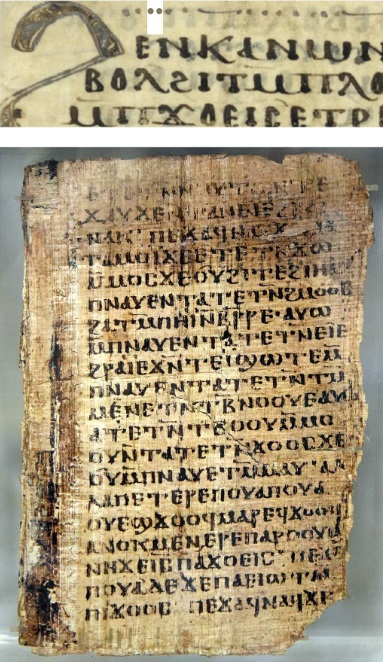
This project offers structured Coptic language courses designed not merely as linguistic instruction, but as a living portal into the final, indigenous phase of Ancient Egyptian civilization. The program frames Coptic as a key to cultural memory. It positions language learning as an act of cultural preservation and identity reconnection.
CORE OBJECTIVES:
1 ■ Linguistic Competence: Provide progressive instruction in the Coptic alphabet (derived from Greek), basic grammar, vocabulary, and sentence structure, with a focus on the Sahidic and Bohairic dialects.
2· Historical Contextualization: Teach the language within its historical framework-from its Greco-Roman roots to its role as the lingua franca of Egypt before Arabic.
3· Cultural Bridge-Building: Demonstrate Coptic as the direct descendant of Ancient Egyptian, creating a tangible link between the Pharaonic and Christian eras of Egypt’s history.
KEY ACTIVITIES & METHODOLOGY:
- Level 1: Foundations: Alphabet, pronunciation, greetings, and basic phrases.
- Level 2: Grammar & Reading: Introduction to verbs/nouns, reading simple passages.
- Level 3: Textual Study: Guided reading of selected passages and historical inscriptions.
TARGET AUDIENCE:
1• Academic Scholars & Historians: Researchers in Late Antique, Byzantine, or Islamic periods needing access to Coptic sources.
2· Theology & Seminary Students: Individuals studying early Church history, patristics, or comparative religion.
3· Linguistic Enthusiasts: Individuals fascinated by language history and preservation.
INTENDED OUTCOMES:
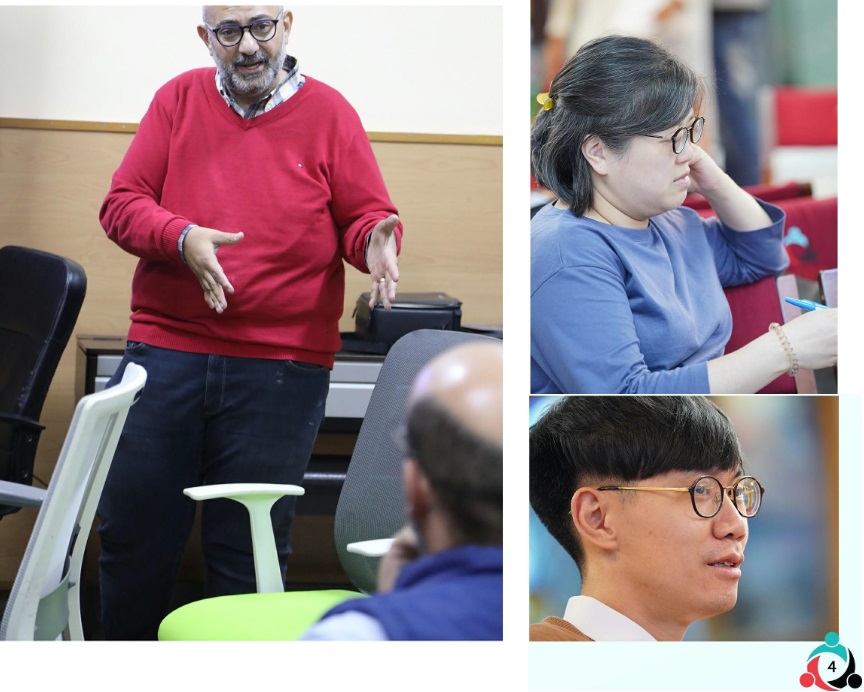
1• Language Acquisition: Participants achieve defined proficiency levels, able to read and comprehend simple to intermediate Coptic texts.
2· Academic Contribution: Supports the preservation and dissemination of a vulnerable language, creating a new cohort of informed non-specialists.
3· Community Formation: Creates a dedicated study group that fosters dialogue, support, and intergenerational knowledge transfer.