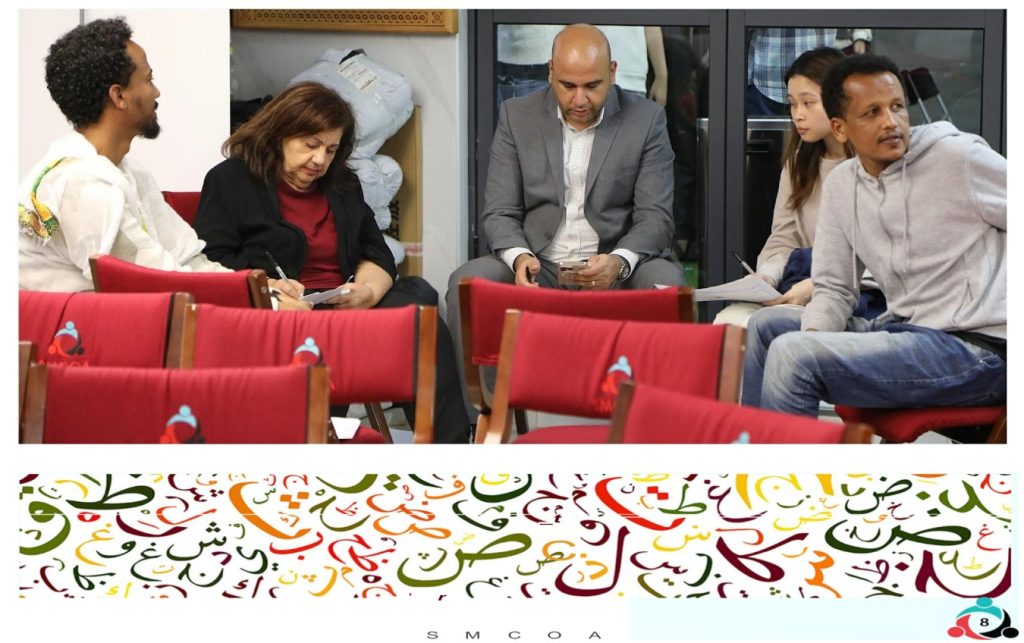
Lantern of the word
Arabic Language Heritage Courses
PROGRAM DESCRIPTION:
This project offers comprehensive Arabic language courses framed as an exploration of one of the world’s most common languages. The program moves beyond communication skills to reveal Arabic as the living vessel of a rich intellectual, scientific, and artistic heritage that spanned continents and centuries. Participants will learn the language while engaging with its profound cultural contexts fostering both linguistic ability and deep cultural appreciation.
CORE OBJECTIVES:
1• Linguistic Mastery: Provide structured progression in Modern Standard Arabic (MSA), covering reading, writing, listening, and speaking skills.
2· Bridge Cultural Divides: Use language learning as a tool for empathy, accurate understanding, and countering stereotypes, fostering informed dialogue about the Arab world’s diverse societies and contemporary issues.
KEY ACTIVITIES & METHODOLOGY:
1 • Core Track (MSA): Systematic study of Arabic script, grammar (nahw), and morphology (sarf) as the key to unlocking classical and modern media texts.
2· Applied & Cultural Modules: Complementary sessions on a spoken dialect for practical communication, and thematic cultural deep-dives.
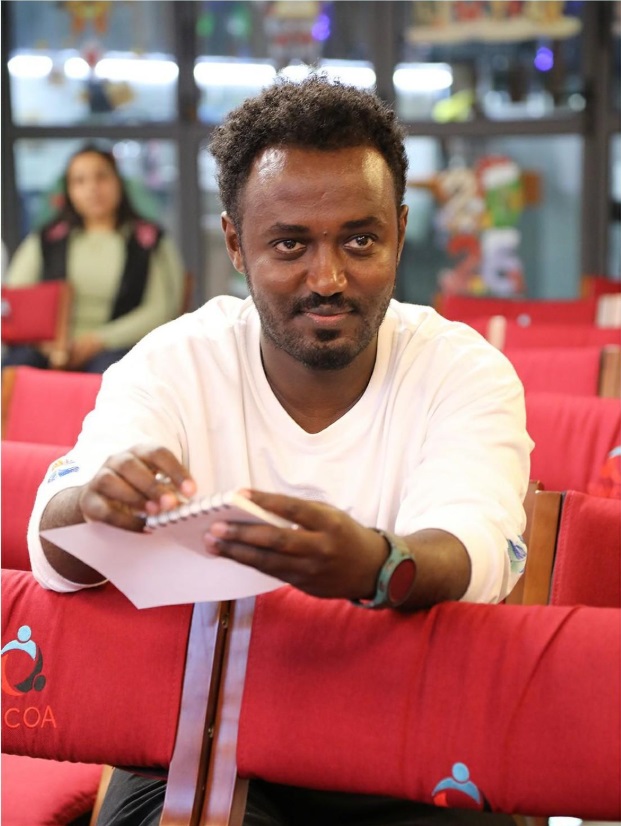
3· Community Conversations: Regular, informal conversation circles led by native speakers to practice dialect and discuss cultural topics in a low-pressure setting.
TARGET AUDIENCE:
1 • Students & Academics: In fields of Middle Eastern Studies, History, Religion, Political Science, or International Relations.
2· Professionals: In diplomacy, international NGO work, journalism, or business with regional interests.
3· Heritage Learners: Members of the Arab diaspora, including second and third generations, seeking to reclaim or strengthen their linguistic and cultural roots.
INTENDED OUTCOMES:
1• Measured Language Proficiency: Participants achieve defined CEFR levels (Al, A2) in MSA and basic conversational competence in a selected dialect.
2· Cultural Competence: Graduates will demonstrate an informed, nuanced understanding of Arab history and diverse contemporary societies.
2· Community of Practice: Establishment of a sustained network of learners and speakers who continue cultural exchange and language practice.
4• Reduced Barriers: Participants gain the confidence and tools to access Arabic-language media, literature, and scholarship directly, fostering independent learning.