
Visual Heritage Of Late Antiquity
A Cultural & Artistic Study of Coptic Icons
PROGRAM DESCRIPTION:
This course presents Coptic iconography as a sophisticated visual language that documents a pivotal era in human history. We will study these artworks as cultural artifacts that preserve and synthesize ancient Egyptian artistic traditions. The focus is on artistic techniques, symbolic communication, historical context, and how these objects served as markers of community identity during times of profound social transformation.
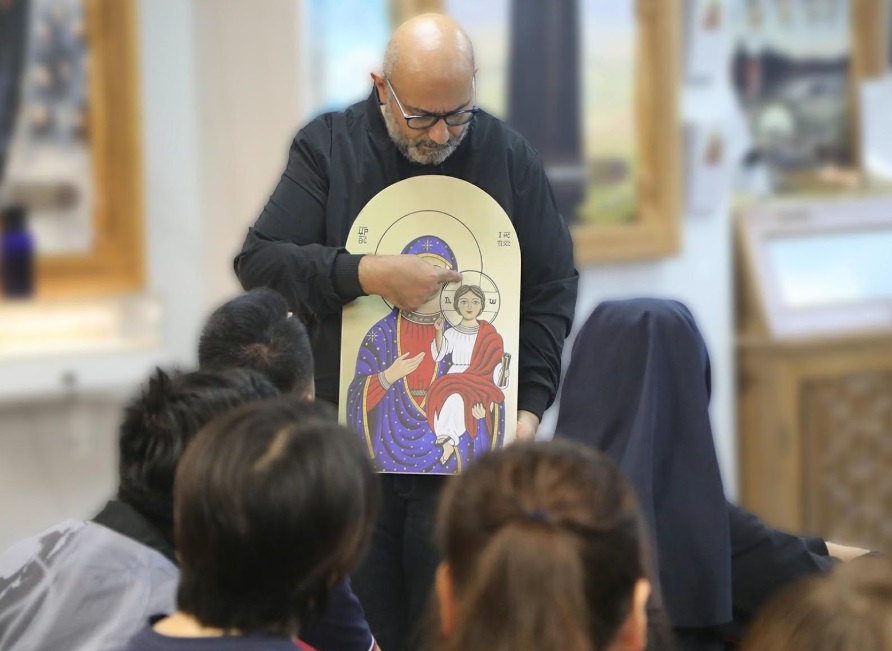
CORE OBJECTIVES:
1• Decipher Visual Syntax: Analyze the formal elements that define the Coptic style: stylized human figures, spatial composition, symbolic color usage, and the persistence of ancient motifs.
2· Map Artistic Synthesis: Trace the technical and stylistic evolution from the naturalism of Fayum funeral portraits to the distinctive abstract expressiveness of mature Coptic work, identifying it as a unique cultural signature.
3· Understand Historical Context: Examine icons within the social and political landscape of Late Antique and Medieval Egypt, exploring their role in community cohesion, identity preservation, and non-verbal storytelling.
4• Appreciate Material Craftsmanship: Study the materials (wood, linen, egg tempera), preparation methods, and the artist’s role within the socio-economic framework of their time.
KEY ACTIVITIES & METHODOLOGY:
1• Guided Analysis Workshops: Using high-resolution images, participants will practice formal analysis-examining line, color, form, and composition-to build “visual Iiteracy” of the style.
2· Material Science Demonstration: A practical demo on the creation of egg tempera paint and wood panel preparation, highlighting the intersection of art, chemistry, and craft.
3· Comparative Study Session: Placing Coptic icons alongside contemporary Byzantine, Syrian, and Ethiopian works to identify shared regional traits and unique local innovations.
TARGET AUDIENCE:
1 • Art History & Archaeology Students: Interested in Late Antique studies, non-Western art, or material culture.
2· Cultural Historians & Anthropologists: Focused on visual culture, community identity, and cultural persistence.
3· Artists & Designers: Seeking inspiration from unique color palettes, stylized forms, and symbolic systems.
4• General Public & Heritage Enthusiasts: Curious about Egypt’s history beyond the Pharaonic period and the evolution of its artistic expression.

INTENDED OUTCOMES:
1• Enhanced Visual Analysis Skills: Ability to observe, describe, and contextualize Coptic icons using the formal vocabulary of art history.
2· Deeper Historical Understanding: Appreciation of how art objects reflect the complex cultural interactions of Late Antique Egypt.
3· Cultural Literacy: Recognition of Coptic iconography as a significant chapter in the global history of art and a testament to cultural endurance.
4• Academic Discourse: Participants will be equipped to discuss the topic in a secular, evidence-based manner suitable for interdisciplinary dialogue.