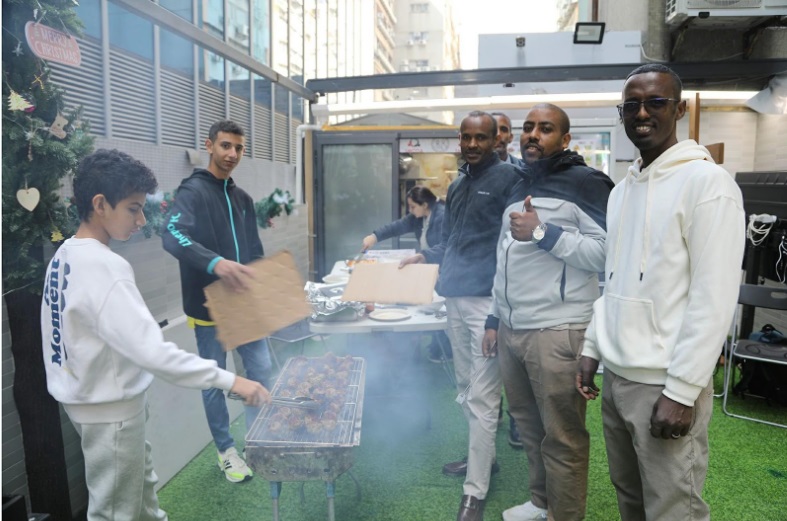
Taste of the Nile
Egyptian Food Heritage Workshops
PROGRAM DESCRIPTION:
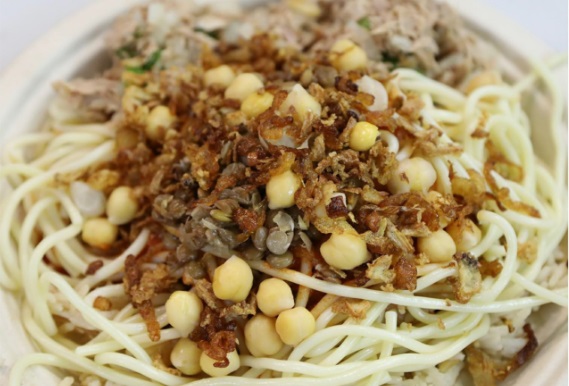
“Taste of the Nile” is an interactive culinary workshop that transforms the kitchen into a classroom for edible history. Students don’t just learn about traditional Egyptian foods-they touch, smell, and create them with their own hands. This program connects geography, history, and culture through the universal language of food, exploring how ingredients from the ancient Nile Valley evolved into beloved modern dishes. Each session concludes with a shared meal, turning individual learning into a communal feast.
CORE OBJECTIVES:
1 ■ Preserve Culinary Heritage: Document and teach traditional recipes and techniques that are at risk of being lost in modern fast-paced life.
2· Teach Through Experiential Learning: Use cooking as a tactile, memorable way to learn about Egyptian agriculture, trade history, and daily life across different eras.
3· Develop Practical Life Skills: Teach foundational cooking skills-knife safety, mixing, seasoning, baking-in a supervised, encouraging environment.
4• Foster Cultural Pride & Connection: For Egyptian students, to connect with their heritage; for international students, to build appreciation through one of the most accessible cultural gateways: food.
TARGET AUDIENCE:
1• School Groups: Ideal for history, geography, or home economics classes.
2· University Students: In cultural studies, anthropology, or hospitality programs.
3· Families & Adult Learners: As a weekend or evening recreational course.
OUR ROLE: CULINARY EDUCATION & CULTURAL FACILITATION
1 • We Provide the Kitchen Classroom: A safe, fully-equipped cooking space suitable for groups.
2· We Supply All Ingredients: Pre-portioned, fresh, and authentic components for each recipe.
3· We Lead with Expertise: A skilled facilitator who is both a knowledgeable cook and an engaging storyteller.
4• We Ensure Safety & Inclusion: Trained supervision for kitchen safety and adaptability for common dietary restrictions (e.g., vegetarian, gluten-free options).
INTENDED OUTCOMES:
1• Tangible Skill: Every participant leaves having successfully prepared a complete traditional dish.
2· Cultural Knowledge: Understanding the historical and social significance of the food they made.
3· Increased Confidence: Empowerment from mastering a new, practical skill.
4• Community Building: The shared meal fosters conversation, connection, and a sense of shared accomplishment.